


Hey there, fellow electronics enthusiasts! I'm here as a supplier of 0.60mm pitch components, and today we're gonna talk about how to select these little gems.
First off, let's understand what 0.60mm pitch components are. The pitch refers to the distance between the centers of adjacent pins or contacts on a component. A 0.60mm pitch means that the space between these centers is 0.60 millimeters. These components are super popular in modern electronics because they allow for high - density circuit designs.
Understanding Your Needs
The very first step in selecting 0.60mm pitch components is to figure out what you actually need. Are you working on a compact device like a smartwatch or a small IoT sensor? Or maybe it's a more complex motherboard for a high - end computer.
If you're building a small, portable device, you'll want components that are not only small in size but also consume less power. For example, in a smartwatch, you need components that can fit into the limited space and still provide reliable performance. On the other hand, if it's a high - performance motherboard, you might prioritize components that can handle high data transfer rates and have good thermal management.
Compatibility
Compatibility is key when it comes to selecting 0.60mm pitch components. You need to make sure that the component you choose is compatible with your existing circuit board. This includes things like the voltage requirements, signal types, and mechanical fit.
For instance, if you're using a microcontroller on your board, the 0.60mm pitch component should be able to communicate with it properly. Check the datasheet of both the microcontroller and the component to ensure that they are on the same page in terms of voltage levels, communication protocols, etc.
Mechanical compatibility is also crucial. The component should fit snugly onto the board without any issues. You need to pay attention to the pin layout and the size of the component. If the pins are not properly aligned, it can lead to poor connections and even damage to the component or the board.
Quality and Reliability
When you're dealing with 0.60mm pitch components, quality and reliability are non - negotiable. These components are often used in critical applications, so you don't want them to fail on you.
Look for components from reputable manufacturers. They usually have strict quality control processes in place to ensure that their products meet high standards. Check for certifications like ISO 9001, which indicates that the manufacturer has a quality management system in place.
You can also look at customer reviews and feedback. If other users have had good experiences with a particular component, it's a good sign. However, keep in mind that different applications may have different requirements, so take the reviews with a grain of salt.
Cost - Benefit Analysis
Let's face it, cost is always a factor when selecting components. You want to get the best value for your money. But don't just go for the cheapest option. Sometimes, a slightly more expensive component can save you a lot of headaches in the long run.
Consider the overall cost of ownership. This includes not only the purchase price of the component but also the cost of installation, maintenance, and potential replacement. A high - quality component may cost more upfront but could last longer and require less maintenance, which can save you money in the long term.

Some Great Options
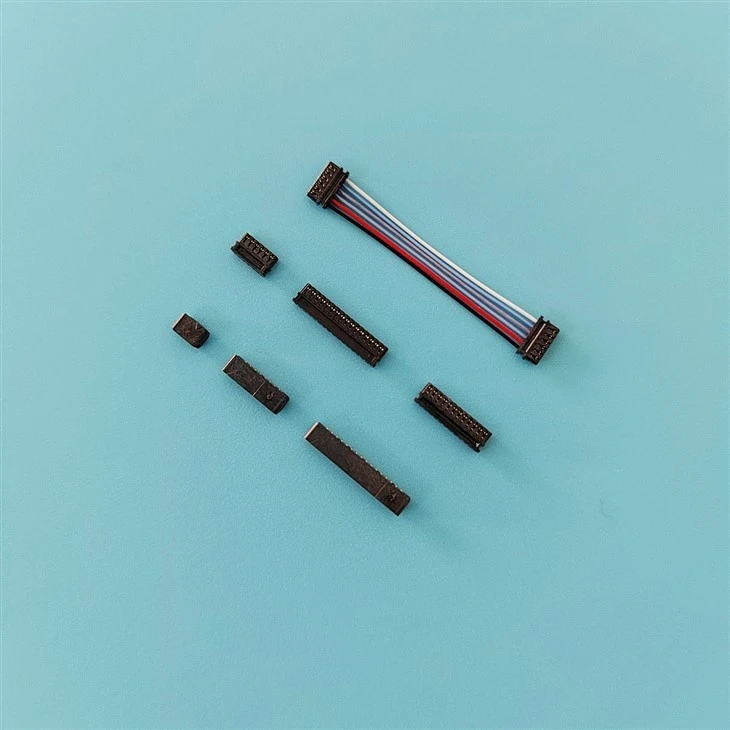
As a 0.60mm pitch supplier, I can recommend some great alternatives. For example, you might be interested in the Alternatives JST 14XSR - 36S IDC Connector Made in Chinese Factories. This connector offers a reliable and cost - effective solution for your 0.60mm pitch needs.
Another option is the Substitute JST SM14B - XSRS - ETB 0.60mm Pitch, Header, SMD, Right - Angle, Gold(Au) Plating. The gold plating provides good conductivity and corrosion resistance, making it a great choice for high - performance applications.
And if you're looking for something a bit different, check out the Alternatives JST 10XSR - 36S IDC Connector Made in Chinese Factories. This connector is also a solid option for your 0.60mm pitch requirements.
Making the Right Decision
After considering all these factors, it's time to make a decision. Take your time, do your research, and don't be afraid to ask for help. If you're still not sure which component is right for you, feel free to reach out to us.
We're here to assist you in finding the perfect 0.60mm pitch components for your project. Whether you're a hobbyist working on a small DIY project or a professional in the electronics industry, we can provide you with the support and guidance you need.
If you're interested in starting a procurement process or have any questions about our 0.60mm pitch components, don't hesitate to contact us. We're more than happy to discuss your specific needs and help you find the best solutions.
References
- Electronic Component Datasheets
- Industry Standards and Guidelines
So, that's it for today's blog on how to select 0.60mm pitch components. I hope this information has been helpful to you. Until next time, keep building awesome electronics!


