
Lightning strikes pose a significant threat to wind farms, especially to the 1.50mm pitch cables that are crucial for the operation of various components within the wind turbines. As a leading supplier of 1.50mm pitch cables, I understand the importance of protecting these cables from lightning strikes to ensure the reliable and safe operation of wind farms. In this blog, I will share some effective strategies and solutions to safeguard 1.50mm pitch cables from lightning strikes.
Understanding the Risks of Lightning Strikes in Wind Farms
Wind farms are often located in open areas, making them more vulnerable to lightning strikes. When a lightning strike occurs, it can generate a high - voltage surge that travels through the electrical systems of the wind turbine. The 1.50mm pitch cables, which are used for signal transmission, power supply, and control functions, are at risk of being damaged by these high - voltage surges.
The damage caused by lightning strikes can range from minor disruptions in cable performance to complete cable failure. This can lead to downtime of the wind turbine, increased maintenance costs, and even safety hazards. Therefore, it is essential to implement proper protection measures to minimize the impact of lightning strikes on 1.50mm pitch cables.
Grounding Systems
One of the most fundamental ways to protect 1.50mm pitch cables from lightning strikes is to establish a proper grounding system. A well - designed grounding system provides a low - resistance path for the lightning current to flow into the ground, reducing the voltage surge on the cables.


The grounding system should include grounding electrodes, such as rods or plates, that are buried deep in the ground. These electrodes should be connected to the wind turbine structure and the electrical equipment, including the 1.50mm pitch cables. By ensuring a good electrical connection between the cables and the grounding system, the lightning current can be safely diverted away from the cables.
Surge Protection Devices (SPDs)
Surge protection devices are another crucial component in protecting 1.50mm pitch cables from lightning strikes. SPDs are designed to detect and divert high - voltage surges caused by lightning strikes. They can be installed at various points in the electrical system, such as at the entrance of the wind turbine control panel or near the cable termination points.
There are different types of SPDs available, including voltage - clamping SPDs and current - limiting SPDs. Voltage - clamping SPDs work by clamping the voltage to a safe level when a surge occurs, while current - limiting SPDs limit the amount of current flowing through the cable during a surge. By installing SPDs in the electrical system, the risk of cable damage due to lightning strikes can be significantly reduced.
Cable Shielding
Cable shielding is an effective way to protect 1.50mm pitch cables from electromagnetic interference (EMI) caused by lightning strikes. A shielded cable consists of a conductive layer that surrounds the inner conductors. This shield can be made of materials such as copper or aluminum.
The shield acts as a Faraday cage, preventing the electromagnetic fields generated by lightning strikes from inducing high - voltage surges in the inner conductors. When a lightning strike occurs, the shield absorbs the electromagnetic energy and diverts it to the grounding system. This helps to protect the 1.50mm pitch cables from damage and ensures the reliable transmission of signals and power.
Routing and Installation
Proper routing and installation of 1.50mm pitch cables can also contribute to their protection from lightning strikes. Cables should be routed away from areas that are more likely to be struck by lightning, such as the top of the wind turbine or exposed areas. They should also be installed in conduits or trays to provide additional physical protection.
When installing the cables, it is important to ensure that they are properly supported and secured. Loose or sagging cables can be more vulnerable to damage during a lightning strike. Additionally, the cables should be connected to the electrical equipment using proper connectors to ensure a good electrical connection.
Our Products and Their Role in Lightning Protection
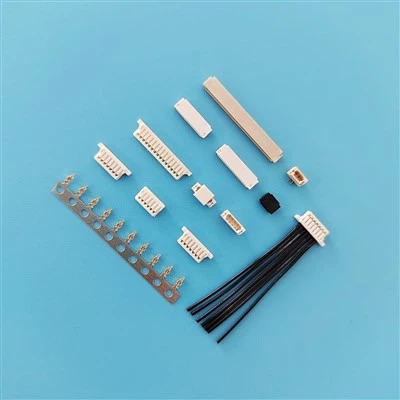
As a 1.50mm pitch cable supplier, we offer a range of high - quality products that are designed to withstand the harsh conditions in wind farms, including the threat of lightning strikes. Our A1502(ZE)alternative ZE 1.50mm Housing Terminal Cable Wafer is a reliable option for wind farm applications. It features a robust design and high - quality materials that provide excellent protection against electrical surges.
Our Replaces 502578 - 0200,502578 - 0300,502578 - 0400,502578 - 0500,502578 - 0600,502578 - 0700,502578 - 0800,502578 - 0900,502578 - 1000,502579 - 0000,503429,Housing And Terminal is also designed to provide reliable performance in high - voltage environments. The housing and terminal are made of materials that can withstand the impact of lightning strikes and ensure the integrity of the cable connection.
In addition, our Alternatives Molex 213225 - 0210,213225 - 0310,213225 - 0410,213225 - 0510,213225 - 0610,213225 - 0710,213225 - 0810,213225 - 0910,213225 - 1010,213225 - 1110,213225 - 1210,Vertical,SMT Wafer offers alternative solutions for wind farm applications. These wafers are designed to provide a stable electrical connection and are resistant to the effects of lightning strikes.
Conclusion
Protecting 1.50mm pitch cables from lightning strikes is essential for the reliable and safe operation of wind farms. By implementing proper grounding systems, surge protection devices, cable shielding, and proper routing and installation, the risk of cable damage due to lightning strikes can be significantly reduced.
As a 1.50mm pitch cable supplier, we are committed to providing high - quality products and solutions to help wind farm operators protect their cables from lightning strikes. If you are interested in learning more about our products or need assistance in protecting your 1.50mm pitch cables, please feel free to contact us for procurement and further discussions.
References
- IEEE Standard for Surge Protection Devices for Low - Voltage AC Power Circuits (IEEE C62.41.1 - 2014)
- International Electrotechnical Commission (IEC) standards related to lightning protection in wind turbines.
- Industry research reports on the impact of lightning strikes on wind farm electrical systems.